Featured
Table of Contents
"Exactly how are you?" The solution to this concern is sometimes more complicated than the person asking may realize. You may blurt out a quick, "Fine, thanks!" also when you know you're not. AdvertisementCleveland Facility is a charitable academic clinical facility. Marketing on our site helps support our objective. We do not back non-Cleveland Center product and services.
And while that makes these conditions sound really different, they are extra linked than they may seem. And they commonly occur with each other. Psychoanalyst Karen Jacobs, DO, offers us an overview of what anxiety and clinical depression are, how they show up in different ways, how they can be associated and just how to discriminate between both.
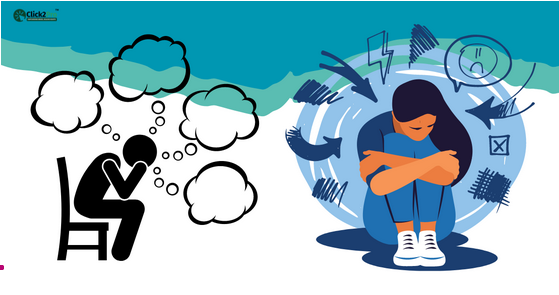
Consuming over scenarios or end results. Indecisiveness. Anxiety. Failure to unwind. Feelings of restlessness. Difficulty focusing or physical frustration. Furthermore, there's a multitude of physical signs that can take place with stress and anxiety, consisting of: Muscle tension. Chest tightness. Really feeling quickly exhausted or tired. Heart palpitations. Lack of breath. An extended state of stress and anxiety, which regularly triggers your fight-or-flight response, can have significant effects on your health and wellness.
Recognizing When Solo Therapy Should Be Considered for Trauma
Jacobs states it's so important to look for treatment if you're experiencing these signs. An anxiety diagnosis goes far past simply having the blues.
Characteristic signs of anxiety include: Feelings of sadness and hopelessness. Loss of rate of interest. Trouble resting. Feeling worn down. A modification in hunger. Unusual physical pain or aches. Feeling like tiny jobs take additional effort. Having thoughts of self-harm or self-destruction. Sensations of insignificance and low self-worth, and clinically depressed state of mind. Stress and anxiety and anxiety are both typical psychological health conditions that can affect your ability to tackle your day-to-day tasks and live your life fully.
Physiological Integration When Treating Anxiety
Both anxiety and clinical depression can trigger: Digestion issues. If you're experiencing any of these signs, it's essential to allow a medical care service provider understand. If you're experiencing adjustments in your state of mind and you're attempting to sort out whether it might be depression or anxiety or both pay attention to your energy degree and your attitude towards the future.
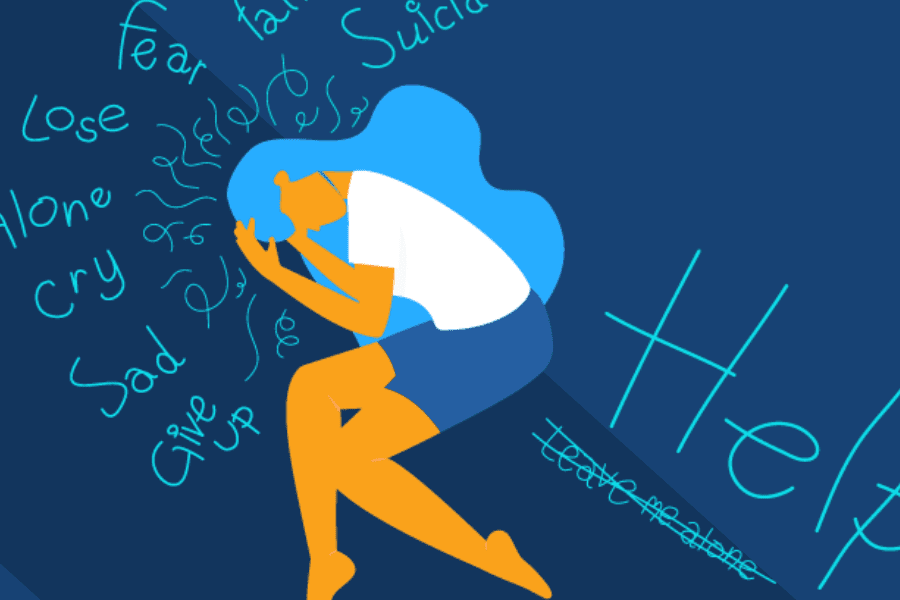
Stress and anxiety can create you to really feel high-strung and energized, typically sustained by racing thoughts and concern. An additional large difference in between anxiety and anxiety likewise comes in the therapy of each condition. It is necessary to speak with your specialist, psychiatrist or doctor to make certain you're obtaining the ideal therapy.
How Intergenerational Trauma Intertwining With Current Mental Health
According to the Anxiousness & Depression Organization of America, nearly fifty percent of individuals who are detected with clinical depression are additionally diagnosed with anxiousness. In numerous instances, one might have created the various other."It's nearly like we're attempting to sort out the poultry and the egg. We're attempting to identify which one occurred initially, and afterwards if one created the various other," explains Dr.
When this occurs, you can additionally go to greater risk for self-harm. In this scenario, intensive therapy can be extremely practical for managing depression accompanied by nervous distress, so it's crucial to connect for assistance. Whether they happen together or individually, clinical depression and stress and anxiety are both treatable. The majority of individuals profit from psychiatric therapy (talk therapy), cognitive behavior therapy (CBT), drug or a mix.
Anxiousness conditions frequently go hand in hand with depression. Anxiety and depression are typically referred to togetherWith each other but yet are not the sameVery same If you fall right into any of the categories reviewed listed below, you might be more vulnerable to stress and anxiety or anxiety(or both)contrasted to others: Females are extra likely to be identified with anxiety disorders compared to men.

Latest Posts
Meaning Creating in Depression
Understanding the Emotional Capacity in Trauma Recovery
Neurobiological Connection for Chronic Stress