Featured
Table of Contents
So if you ever locate on your own thinking, "I'm doing it wrong," try advising yourself that "there's no right or upside-down of grieving."Moreover, there's no certain order for the phases of pain. Our initial psychological response to loss may be temper and depression. This does not suggest that we're not regreting effectively.
And our feelings can come in waves of intensity. Numerous individuals obtain discouraged with themselves due to the fact that they assume they're regreting too long.
It depends on the individual, and it depends on the loss. And maintain in mind that there's never a time when we're entirely "done" with sorrow; we simply discover exactly how to make changes to the loss.
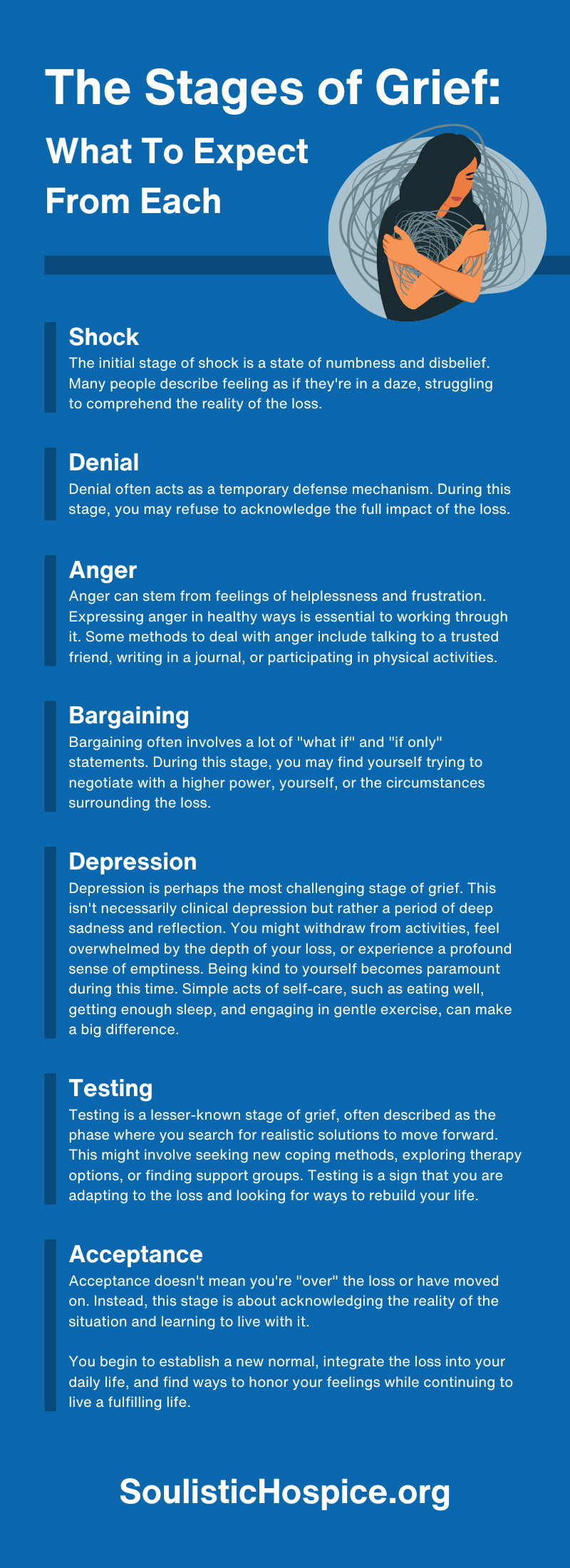
Sorrow is a difficult procedure that differs from one person to another. The 5 stages of grief rejection, temper, negotiating, depression, and approval are a practical structure for thinking of despair, however it doesn't indicate we'll go with every phase. In a similar way, we can experience these elements of pain at various times, and they do not happen in one specific order.
Why Therapy Strengthens Professional Performance for Depression Professionals in San Francisco
You just experienced a break up. You shed your task. You're unable to acquire the goal you have actually been pursuing. Believe it or otherwise, all of these are some kind of despair or the experience of managing loss. As we function our way with experiences like these, we're most likely to undergo various stages or emotions from rejection and anger to unhappiness and resentment.
We'll additionally consider usual misunderstandings concerning despair and pointers for handling loss. Allow's dive in. Before we dive into the five phases of grief, it's practical to understand what pain is. Basically, grief is the experience of dealing with loss. And it's experienced by each person in an uniquely individual means.
Grief can likewise come from any modifications we experience in life, such as relocating to a new city or college or transitioning into a new age team. The truth is that we all experience a particular degree of pain throughout our lives. While some losses are a lot more extreme than others, they are no less real.
What EMDR Treatment Offers for High-Achievers in the San Francisco Area

Numerous researchers have committed years to researching loss and the feelings that accompany it. One of these professionals was Elisabeth Kubler-Ross, a Swiss-American psychiatrist. She talked to over 200 people with terminal illnesses and identified 5 common stages people experience as they come to grips with the truths of their upcoming death: denial, rage, bargaining, clinical depression, and acceptance.
Although Kubler-Ross's work concentrated on sorrow responses from individuals that are passing away, much of these stages can be put on sorrow throughout any kind of sort of loss. It is very important to keep in mind that these phases are not linear, and they're not a prescription. Not every person experiences every phase, which's alright. We might feel like we accept the loss at times and after that move to one more stage of grief once more.
True Self vs. Professional Persona: Embracing Your Real Voice Through Narrative Therapy in Your Journey
In a similar way, exactly how much time we invest browsing these phases differs from one person to another. It might take us hours, months, or longer to refine and recover from a loss. With that in mind, let's take a closer check out each of the five phases of grief: For many individuals, denial or pretending the loss or adjustment isn't occurring is commonly the first feedback to loss.
At some point, when we're grieving, we can begin the healing procedure by allowing the feelings and emotions we have actually denied to resurface. Lots of people will also experience temper as component of their sorrow. According to Kubler-Ross, discomfort from a loss is typically rerouted and revealed as temper. Simply put, rage is a way to conceal the several emotions and pain that we're carrying as a result of the loss or adjustment.
Even though our sensible mind recognizes they're not at fault, our feelings are extreme and can easily override logical reasoning. We also could blast non-living objects, unfamiliar people, buddies, or member of the family. We may really feel angry at life itself. While we frequently believe that rage is an unfavorable emotion and something to be avoided whatsoever prices, it really serves a purpose and is a needed part of healing.
Bargaining is a phase of grief that aids us keep hope during intense psychological pain. It's an effort to help us reclaim control of a circumstance that has actually made us feel unbelievably at risk and helpless. It's also another method to assist us delay needing to deal straight with the sadness, complication, or hurt.
Integrating: Moving from Fragmentation to Wholeness Through EMDR
Anxiety is commonly likened to the "silent" phase of despair, as it's not as active as the temper and bargaining phases. This can result in extreme feelings of sadness, despair, and pessimism. Symptoms of anxiety can materialize themselves in various ways. As an example, we could feel clouded, heavy, exhausted, baffled or distracted.
Just like the various other phases of grief, depression is experienced in different ways. Instead, it's an all-natural and ideal action to sorrow.
Rather, As an example, if we're grieving the fatality of a liked one, we may be able to reveal our thankfulness for all the wonderful times we invested with them. Or if we're experiencing a separation, we may state something like, "This really was the ideal thing for me." In this stage, we may become extra comfortable getting to out to friends and family, and we may also make new connections as time takes place.
Here are three common misconceptions about regreting that we could think when we consider our own or somebody else's way of grieving: Among one of the most typical misunderstandings about grieving is that everybody undergoes it in the very same method. As we have actually developed, grieving is an unique journey that is different for every person.
The Therapeutic Journey for Accomplished Individuals in San Francisco
"Furthermore, there's no details order for the phases of pain. Our very first emotional reaction to loss might be anger and anxiety.
And our emotions can come in waves of strength. Lots of people get irritated with themselves since they think they're grieving also long.

Latest Posts
Identifying the Best Counselor with Depression Therapy Background
Exploring Brainspotting Therapy in Addressing
Choosing the Ideal Trauma Therapist in Your Area for Depression Therapy